April 8, 2026

The "Spiral" Effect: Building Background Knowledge Experts!
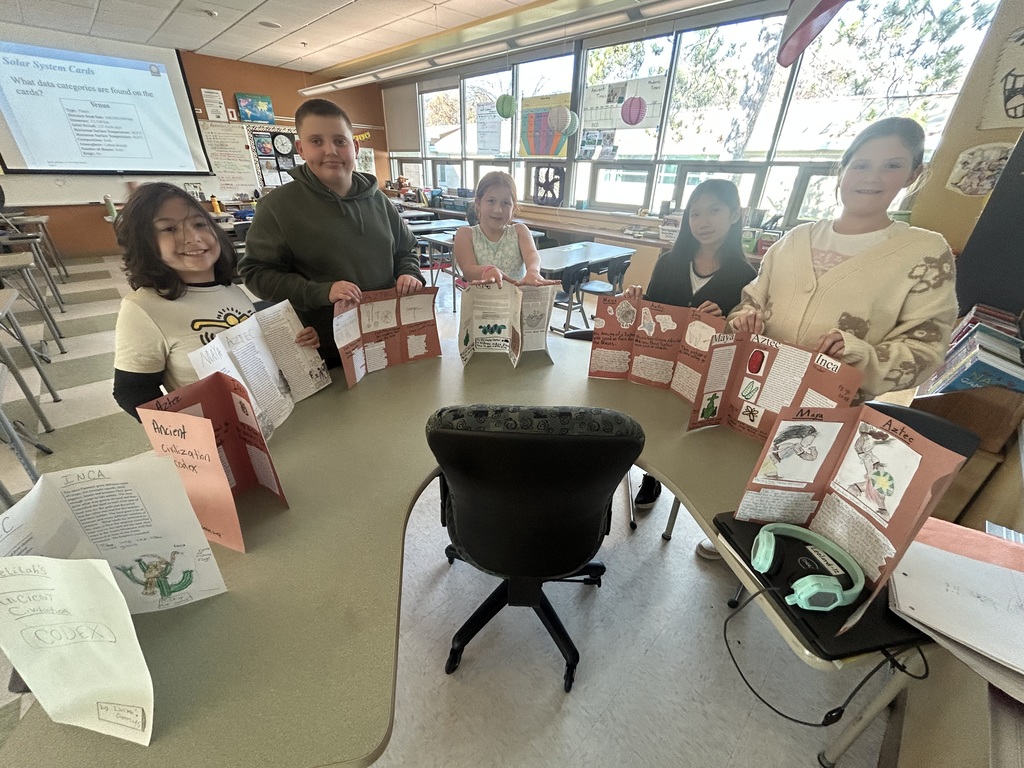
Have you ever wondered how to build background knowledge for students? CKLA builds background knowledge for reading comprehension. In our Amplify CKLA curriculum, we use "spiraling"—revisiting big topics at a deeper level as students grow! For example, TCAPS 5th graders learned about Maya, Aztec and Inca this year, but this isn’t the first time students will be exposed to these ideas.
In 1st Grade (The Foundation): Students first "meet" these cultures. They listened to stories about maize, stepped into the floating gardens of Tenochtitlan, and learned basic geography. 🌽
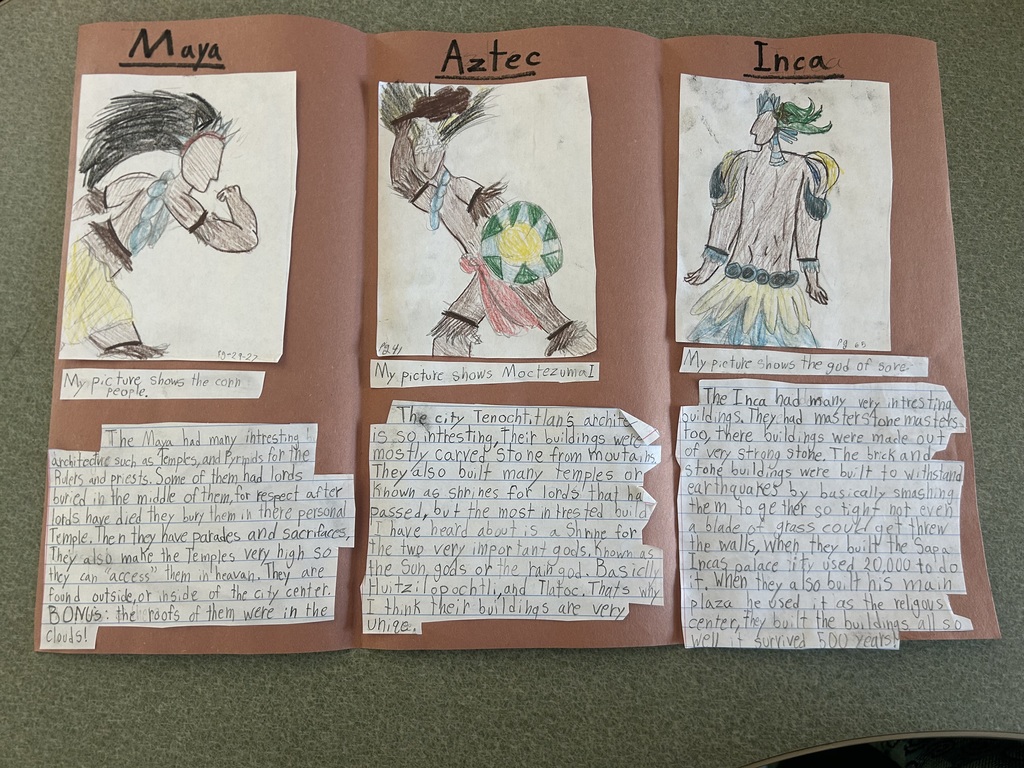
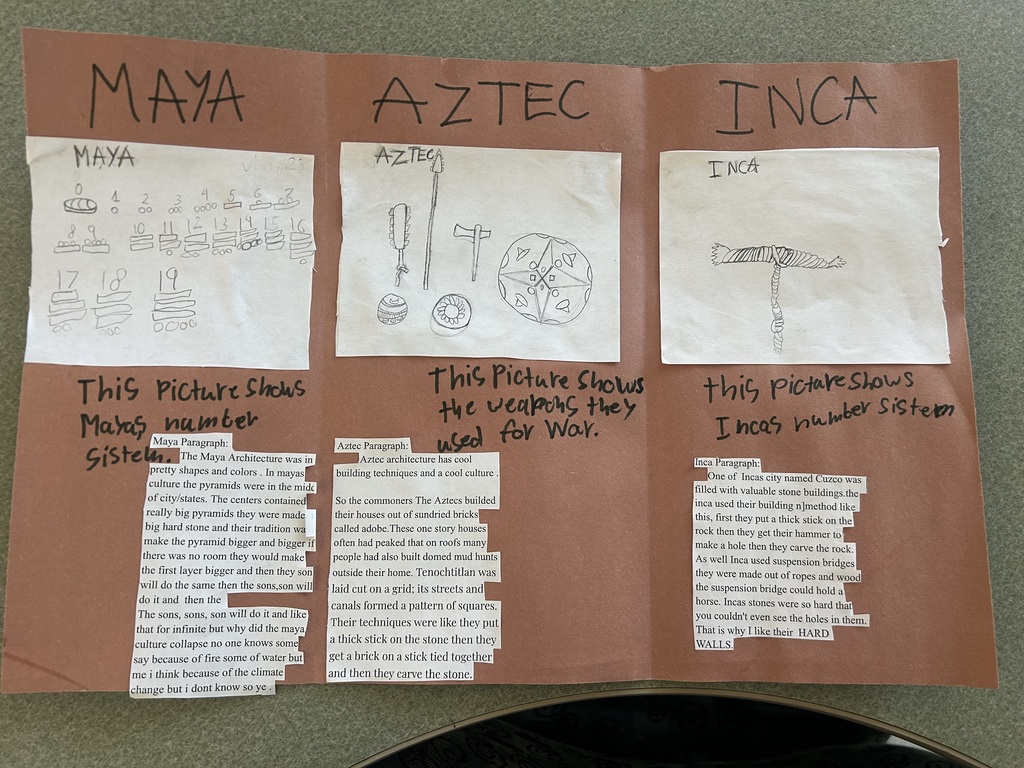
In 5th Grade (The Deep Dive): Now, they are investigators. They aren’t just listening; they are analyzing primary sources, decoding Maya hieroglyphics, and comparing the sophisticated political systems of the three empires.
Connecting the Dots: This unit isn't just about the past, it’s a bridge! It sets the stage for future units on the Age of Exploration and the American Revolution by giving students the "big picture" of who was here first.
By revisiting these big ideas, our students aren’t just memorizing facts for a test—they are building a permanent library of knowledge that makes them better readers and critical thinkers for life.
Have you ever wondered how to build background knowledge for students? CKLA builds background knowledge for reading comprehension. In our Amplify CKLA curriculum, we use "spiraling"—revisiting big topics at a deeper level as students grow! For example, TCAPS 5th graders learned about Maya, Aztec and Inca this year, but this isn’t the first time students will be exposed to these ideas.
In 1st Grade (The Foundation): Students first "meet" these cultures. They listened to stories about maize, stepped into the floating gardens of Tenochtitlan, and learned basic geography. 🌽
In 5th Grade (The Deep Dive): Now, they are investigators. They aren’t just listening; they are analyzing primary sources, decoding Maya hieroglyphics, and comparing the sophisticated political systems of the three empires.
Connecting the Dots: This unit isn't just about the past, it’s a bridge! It sets the stage for future units on the Age of Exploration and the American Revolution by giving students the "big picture" of who was here first.
By revisiting these big ideas, our students aren’t just memorizing facts for a test—they are building a permanent library of knowledge that makes them better readers and critical thinkers for life.